View all
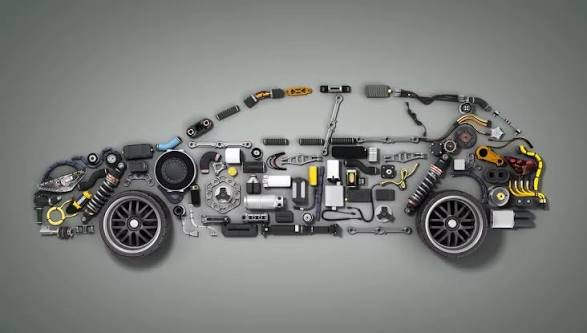
Essential car parts every driver should understand include the engine (power source), battery (starts the car), alternator (charges the battery), brakes (crucial for safety), and tires (sole road contact). Familiarity with the transmission, radiator, fluid reservoirs (oil, coolant, brake fluid), and lighting is also vital for basic maintenance and ensuring safe vehicle operation.
Key Under-the-Hood & Structural Components
- Engine: The heart of the car, converting fuel into movement.
- Battery: Provides the initial electrical spark to start the engine and powers electronics.
- Alternator: Charges the battery and powers the electrical system while the engine is running.
- Radiator: Cools the engine by transferring heat from the coolant to the air, preventing overheating.
- Transmission: Transfers power from the engine to the wheels, allowing gear changes.
- Air Filter: Cleans air entering the engine; should be checked regularly.
Safety & Operational Parts
- Brakes (Pads, Rotors, Calipers): Essential for stopping; worn pads indicate a need for replacement.
- Tires: Need regular checks for proper pressure and tread depth to ensure safety.
- Suspension System (Struts/Shocks): Absorbs road shocks for a stable, comfortable ride.
- Steering System: Controls the direction of the front wheels.
- Exhaust System/Catalytic Converter: Removes waste gases and reduces noise and emissions.
Essential Fluids to Monitor
- Engine Oil: Lubricates moving parts; checked via the dipstick.
- Coolant (Antifreeze): Prevents engine overheating.
- Brake Fluid: Crucial for the hydraulic braking system.
- Windscreen Washer Fluid: Keeps the windshield clean for visibility.
Knowing these components helps drivers detect issues early, understand maintenance needs, and communicate effectively with mechanics.